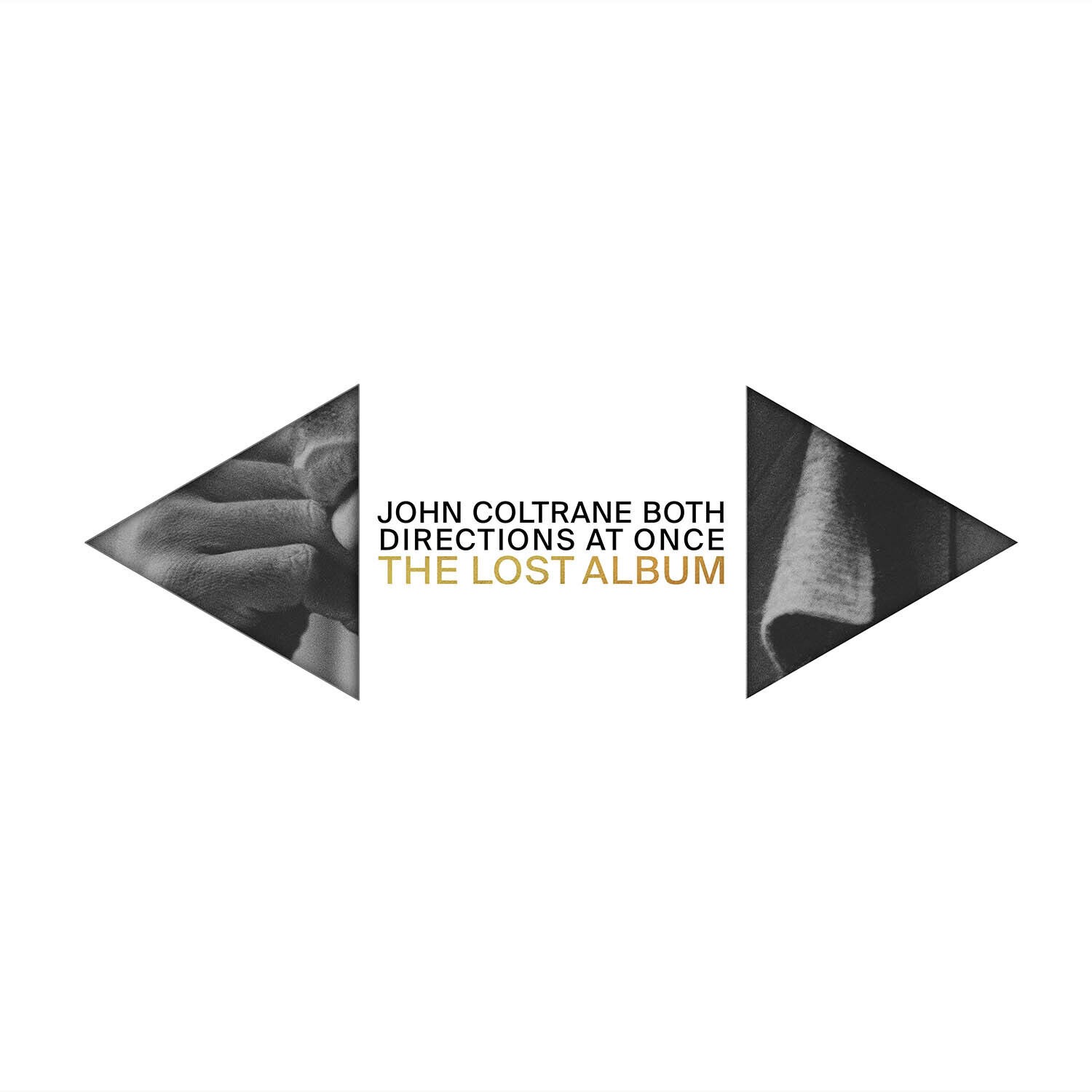
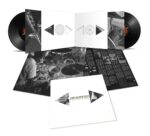
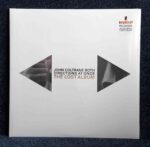


John Coltrane: Both Directions At Once – The Lost Album | Vinyl LP, Impulse
£35.00
New Vinyl LP, M / M
In stock
Description
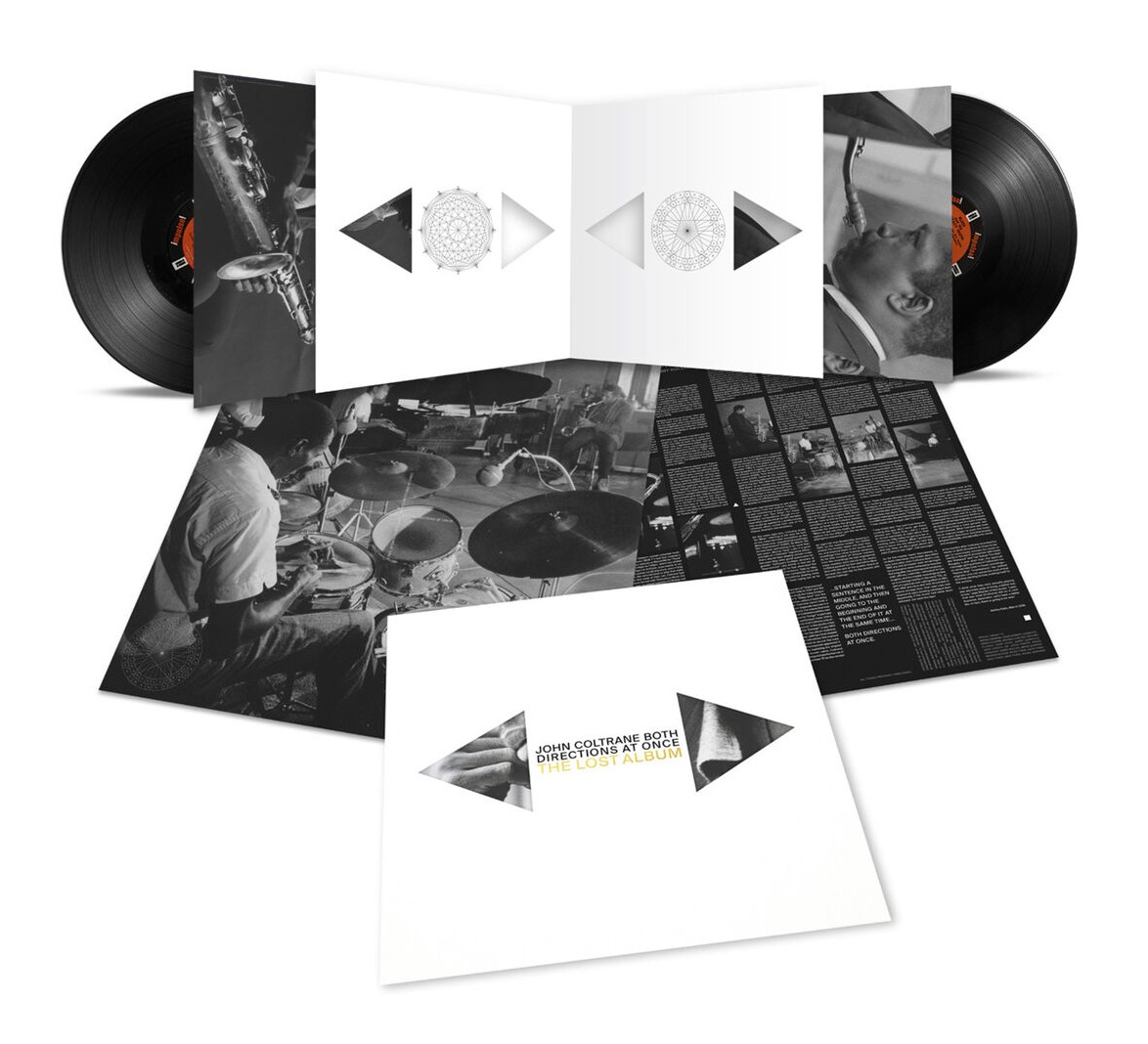
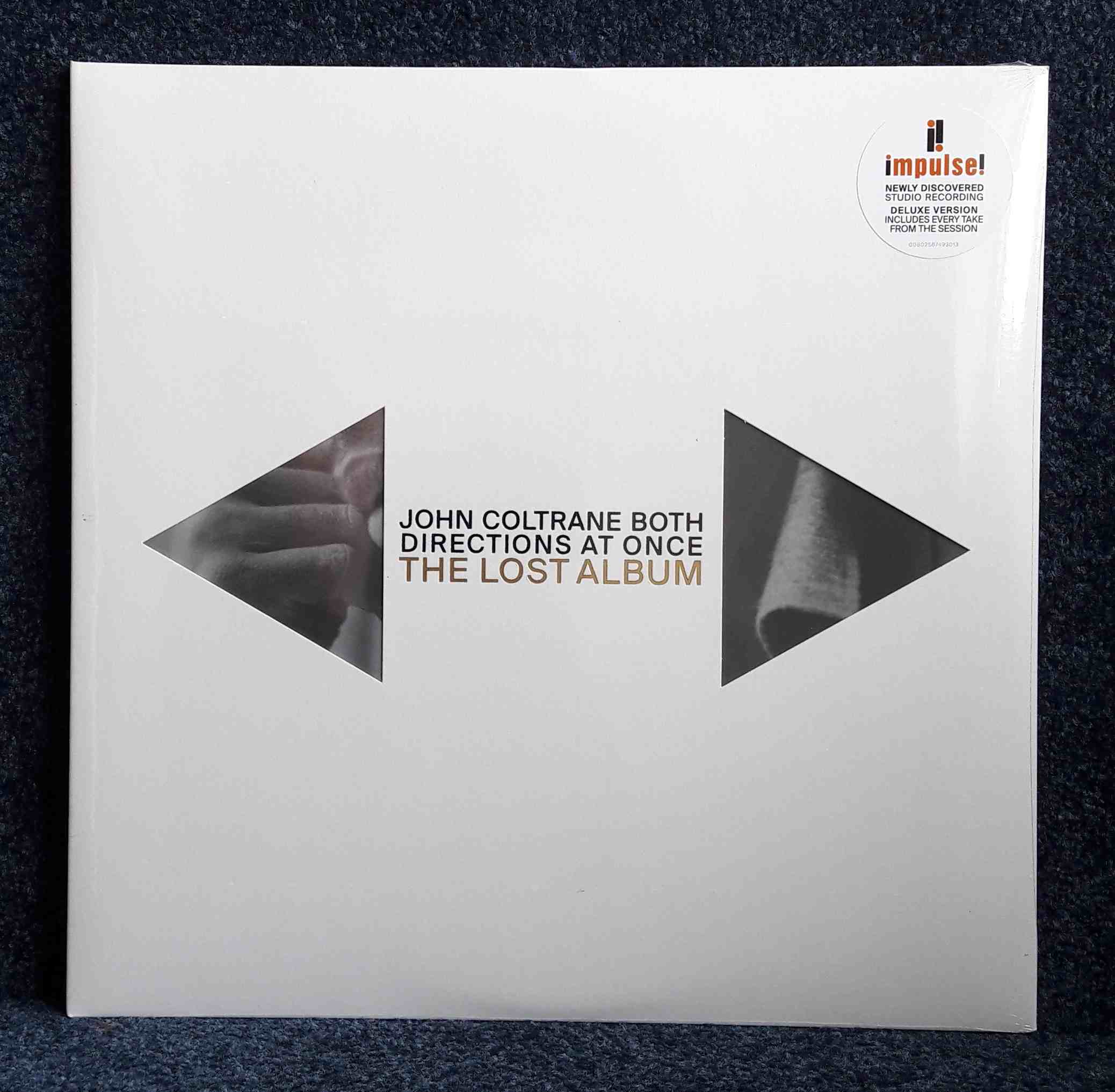
Deluxe version of Coltrane’s lost album, including all existing additional takes. New, sealed double 180g vinyl set.
Release Info
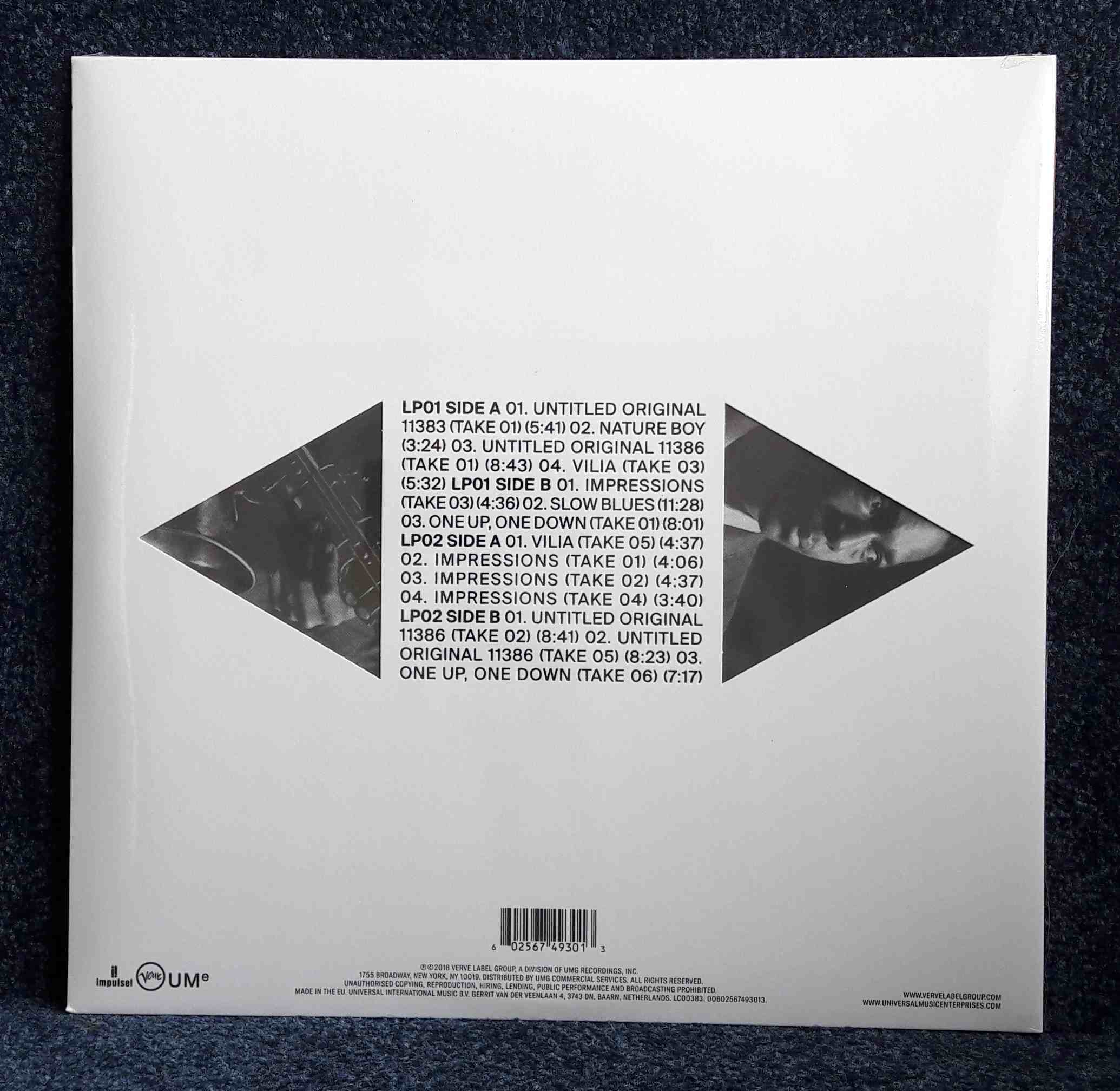
On this album, there are two completely unknown and never-before-heard originals. "Untitled Original 11383" and "Untitled Original 11386," both played on soprano sax. "11383" features an arco bass solo by Jimmy Garrison, a relative rarity, and "11386" marks a significant structural change for the quartet, in that they keep returning to the theme between solos, not typical in the quartet's repertoire (heard in additional takes on this deluxe edition).
In addition to the two unheard originals, "One Up, One Down" - released previously only on a bootleg recording from Birdland - is heard here as a studio recording for the first and only time. It contains a fascinating exchange between Elvin Jones and Coltrane.
"Impressions", one of Coltrane's most famous and oft-recorded compositions, is played here in a piano-less trio. In fact, McCoy Tyner lays out a number of times during this recording session. It's one of the more interesting aspects of this session and reflects the harmonic possibilities that Coltrane was known to be discussing regularly with Ornette Coleman around this time (also heard in additional takes on this deluxe edition).
This studio session also yielded Coltrane's first recording of "Nature Boy," which he would record again in 1965, and the two versions differ greatly. The one we know is exploratory, meandering. This version is tight, solo-less and clocking in at just over three minutes. The other non-original composition on the album is "Vilia," from Franz Lehár's operetta "The Merry Widow". The soprano version on the Deluxe Edition is the only track from this session to have been previously released.
This incredible, once-in-a-lifetime discovery reveals a number of creative balances at work, like developing original melodies while rethinking familiar standards. Like trying out some tunes first on tenor saxophone, then on soprano. Using older techniques like the arpeggio runs of his "sheets of sound" while experimenting with false fingerings and other newer sounds. This session was pivotal, though to call it such overlooks the fact Coltrane was ever on pivot, always pushing the pedal down while still calling on older, tested ideas and devices.
- Barcode: 602567493013
- Catalogue No: 6.02567E+11
- Condition: New
- Country of Origin: UK
- Format: Vinyl LP
- Label: Impulse
- Media Grade: M
- Sleeve Grade: M